
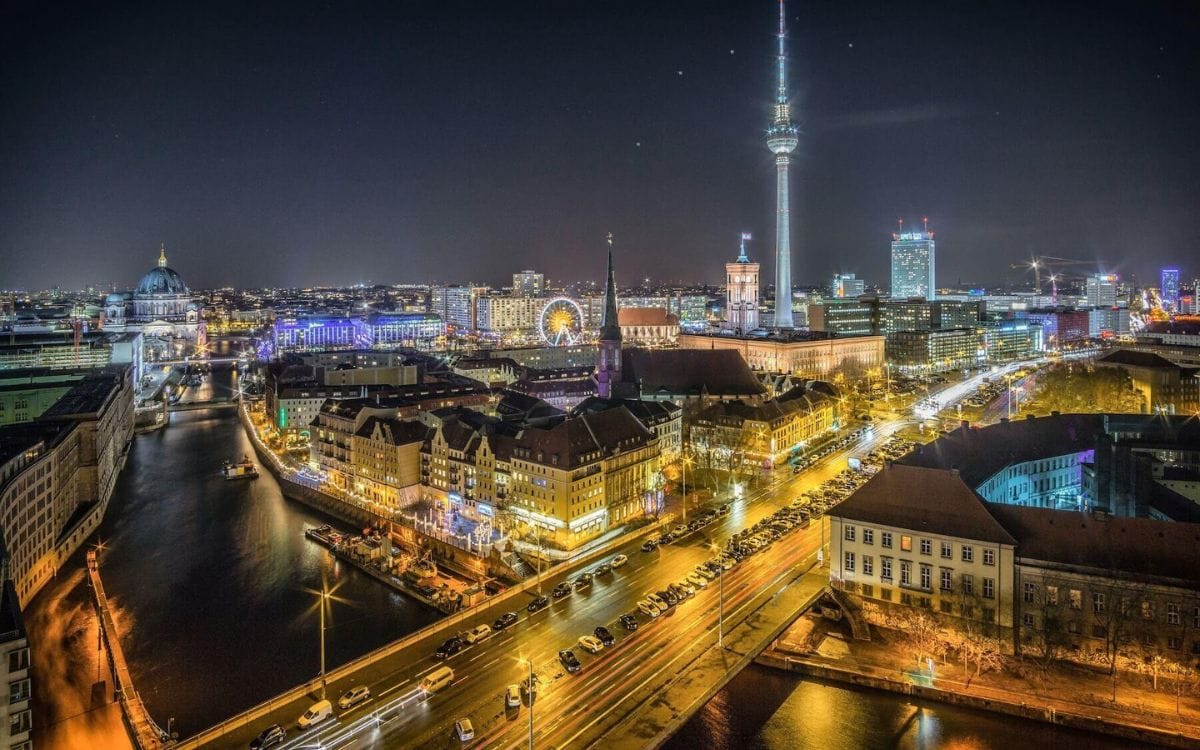
In a world obsessed with productivity, speed, and constant notifications, Germany taught me something unexpected — the beauty of slowing down.Not the kind of slow where you do nothing, but the kind where you live fully. Where every sip of coffee, every train ride, and every conversation becomes something you actually experience, not just pass through. The Pace of Life: Not Always About Speed Before arriving in Germany, I imagined everything to be fast, structured, and efficient — and yes, it is. Trains run on time, systems work smoothly, and people value punctuality.But beneath that order, I found something deeper — a quiet rhythm that values quality over rush. Germans seem to understand that life isn’t a race, it’s a process — one that deserves attention. H3 – Morning Routines Without Rush Instead of gulping coffee on the go, I learned the art of sitting down for breakfast. Fresh bread, butter, jam, and silence — no screens, no stress. That simple act of pausing changed the tone of my entire day. H3 – Sundays Are Sacred In Germany, most shops close on Sundays. At first, it felt inconvenient. Then, it started to make sense. Sundays aren’t for errands — they’re for rest, nature walks, or family gatherings. I learned that slowing down isn’t laziness — it’s recovery. Slowing Down Changes How You See Things H3 – H4 – The Details You Miss When You’re Rushing When you move too fast, you miss the small things: Slowing down allowed me to notice — really notice — how beautiful ordinary life can be. H3 – H4 – Walking Without a Destination Germans walk — a lot. Through forests, parks, and cobblestone streets. I started walking too, sometimes without a goal. Those quiet walks became moving meditations, where my mind untangled itself naturally. Lessons from the German Way of Living H3 – Simplicity Is Strength Life in Germany isn’t overloaded. People buy what they need, cook with what’s fresh, and value durability over excess. I realized how much mental peace comes from decluttering — not just your home, but your schedule. H3 – Time Is a Resource, Not a Race In Germany, there’s a deep respect for time — both yours and others’. Meetings start and end on time. Meals aren’t rushed. Vacations are truly disconnected. It taught me that time doesn’t need to be filled — it needs to be lived. H3 – Work-Life Balance Isn’t a Luxury Germans work hard, but they also switch off completely after hours. When the workday ends, it really ends. There’s no glorification of being “always busy.” I learned that true productivity comes from balance, not burnout. My Personal Transformation H3 – From Doing to Being Back home, I measured my worth by how much I accomplished in a day. In Germany, I started valuing how I spent my time — not how much I got done.A slow morning walk, a shared meal, or a quiet evening reading felt just as meaningful as crossing tasks off a list. H3 – The Joy of “Enough” The culture of minimalism, sustainability, and conscious living inspired me to embrace “enough.”Enough work.Enough possessions.Enough noise.And in that enoughness, I found peace. Tips for Slowing Down — The German Way H4 – Savor Meals Eat slowly, sit down, and make it an experience — not a task. H4 – Plan Rest Like You Plan Work Schedule downtime with intention. It’s part of being productive, not the opposite of it. H4 – Embrace Nature Take walks, breathe fresh air, and let silence recharge you. H4 – Be Fully Present Put away the phone when talking to someone. Listen. Engage. Presence is the purest form of respect. Final Thoughts H3 – What Germany Really Taught Me Germany didn’t just show me efficiency — it taught me equilibrium.Slowing down isn’t about stopping. It’s about moving with awareness, purpose, and peace.It’s realizing that the moments we often rush past are the ones that make life worth living. If there’s one lesson I brought home, it’s this:Sometimes, the most productive thing you can do — is to simply slow down.
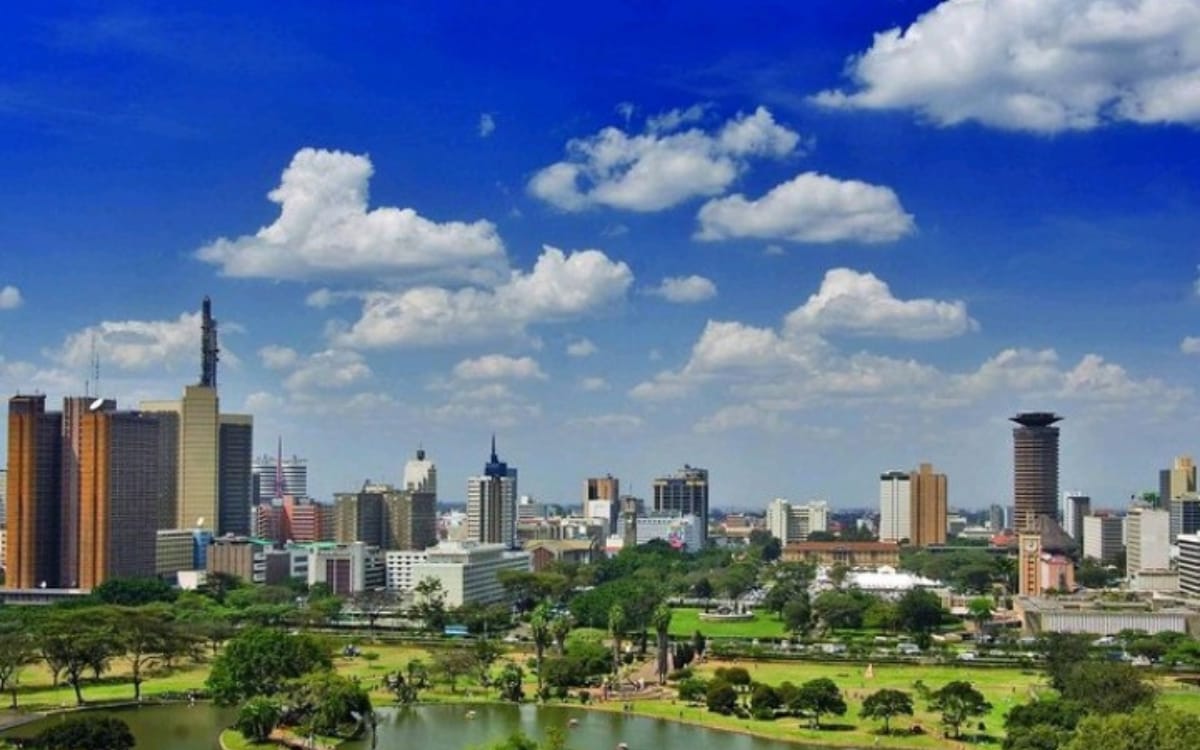
A Market Morning in Nairobi
There’s no better way to experience the soul of Nairobi than by spending a morning wandering through its bustling markets. As the city wakes up, the streets fill with color, sound, and energy — a vibrant mix of vendors calling out prices, the aroma of roasted maize, and the rhythmic chatter of everyday life. A market morning in Nairobi isn’t just about shopping; it’s about connection — with people, culture, and the city’s heartbeat itself. The Pulse of the City: Nairobi’s Market Culture Markets in Nairobi are more than trading spaces; they’re where the city’s stories come alive. From fresh produce to handmade crafts, every item tells a tale of Kenya’s creativity, resilience, and diversity. H3 – A Tradition of Community and Commerce For generations, markets have been community centers — places where families meet, artisans display their work, and locals share news over cups of chai. Whether you’re a visitor or a Nairobi native, stepping into a market means stepping into the city’s living history. Exploring Nairobi’s Iconic Markets H3 – Maasai Market: A Celebration of Art and Heritage Held at different locations across the city throughout the week, the Maasai Market is a must-visit for anyone seeking authentic Kenyan art. H4 – What You’ll Find H4 – Tip for Visitors Bargaining is part of the fun! Start with a smile, chat with the seller, and enjoy the friendly negotiation — it’s as much about conversation as it is about price. H3 – City Market: The Fresh Heart of Downtown Nairobi Located near Muindi Mbingu Street, City Market is one of Nairobi’s oldest and most beloved markets. The aroma of fresh flowers, spices, and produce fills the air, creating an atmosphere that’s both chaotic and charming. H4 – Highlights to Explore H4 – Local Insight Arrive early in the morning when the market is most alive — vendors are setting up, deals are fresh, and the air feels charged with energy. H3 – Kariokor Market: Beads, Baskets & Everyday Life For a truly local experience, head to Kariokor Market, where artisans craft the colorful beadwork that Kenya is famous for. H4 – What Makes It Special You can watch craftswomen making intricate jewelry by hand and even try your skills at threading beads. It’s an intimate glimpse into Nairobi’s creative spirit. The Sights, Sounds, and Smells of a Market Morning H3 – A Symphony of Senses H4 – The Colors Bright fabrics, woven mats, and stacks of red tomatoes make the markets look like moving paintings. Every stall is an explosion of color and texture. H4 – The Sounds Laughter, friendly haggling, and the soft hum of Swahili conversations blend into a melody that defines the Nairobi morning rush. H4 – The Aromas From freshly brewed Kenyan coffee to grilled corn (mahindi choma) on roadside grills, the scents guide you through the lanes like an invisible map. Connecting with the People H3 – H4 – More Than a Transaction Shopping in Nairobi’s markets isn’t a quick stop — it’s an interaction. Vendors are storytellers, artists, and entrepreneurs who take pride in their work. A short chat can lead to a meaningful exchange about their craft, their community, or their hopes for the future.
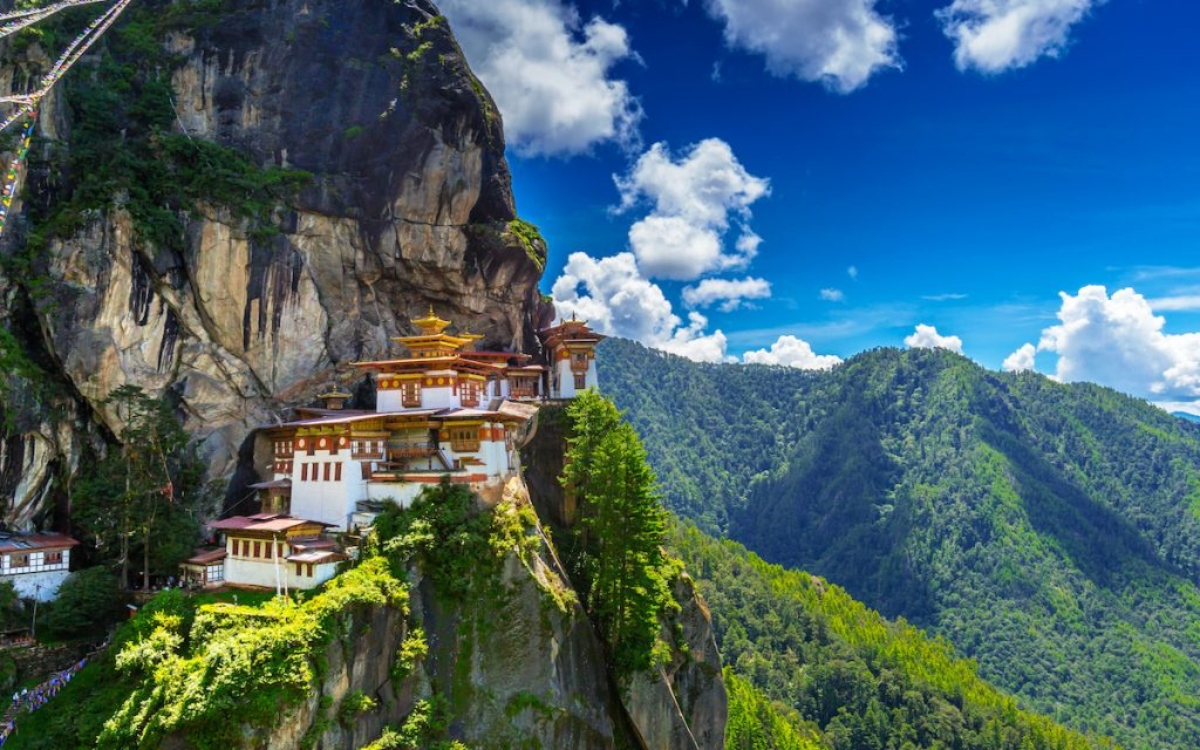
Hiking the Druk Path in Bhutan
Nestled in the heart of the Eastern Himalayas, Bhutan is a country that feels untouched by time — where mist-covered mountains meet centuries-old monasteries and prayer flags flutter in the cool mountain breeze. Among the many adventures Bhutan offers, the Druk Path Trek stands out as one of the most scenic and culturally rich hiking experiences in Asia. What Is the Druk Path Trek? The Druk Path Trek is a short yet spectacular high-altitude hike connecting the two historic towns of Paro and Thimphu. Spanning over five to six days, this trail passes through mountain ridges, alpine lakes, and ancient temples, offering trekkers a glimpse into Bhutan’s untouched wilderness and deep-rooted spirituality. It’s the perfect trek for travelers seeking a balance between adventure and culture without committing to a long expedition. Druk Path Trek Route Overview Key Highlights Along the Route 🏯 Jele Dzong A 15th-century fortress perched on a hill overlooking Paro Valley, offering magnificent sunrise and sunset views. 🏞️ Jangchulakha & Jimilangtsho Lakes High-altitude lakes famous for their crystal-clear waters, surrounded by rhododendron forests and yaks grazing nearby. 🌊 Simkota Tsho A tranquil alpine lake where colorful prayer flags dance in the mountain breeze — a perfect camping spot. 🕍 Phajoding Monastery A centuries-old monastery above Thimphu Valley, offering panoramic views and a serene atmosphere for meditation. The Trekking Experience Each day on the Druk Path reveals a different side of Bhutan — from dense pine forests to open meadows and snow-capped peaks. Nights are spent in tented camps under starry skies, where meals are freshly prepared by local trekking crews. What Makes It Unique H4 – Spiritual Serenity The trail is dotted with monasteries and prayer flags, reminding you that Bhutan is as much about inner peace as it is about natural beauty. H4 – Cultural Encounters You’ll meet yak herders, monks, and friendly locals along the route — offering a true sense of Bhutanese warmth and hospitality. Bhutanese Culture and Connection H3 – The Spirit of Gross National Happiness Bhutan’s philosophy of Gross National Happiness (GNH) emphasizes spiritual and emotional well-being over material wealth. Trekking the Druk Path gives you an authentic experience of this philosophy in action. H3 – Local Life on the Trail You may encounter families living in remote mountain huts or visit small temples where monks offer prayers for safe passage. Every moment feels genuine — a connection between culture, faith, and nature. Tips for Hiking the Druk Path H3 – Essential Travel Information H4 – Permits and Tour Requirements Independent trekking is not allowed in Bhutan. All treks must be arranged through a licensed Bhutanese tour operator who handles permits, guides, and logistics. H4 – Fitness Level The trek is moderate in difficulty, suitable for hikers with basic fitness levels. A few steep climbs may be challenging, but the breathtaking views make it worthwhile. H4 – Gear Checklist Bring warm layers, sturdy trekking boots, rain protection, and altitude medication if needed. Evenings can be chilly, especially above 3,500 meters. H4 – Acclimatization Spend at least one full day in Paro before starting the trek to adjust to the altitude and avoid altitude sickness. Final Thoughts H3 – Why the Druk Path Trek Belongs on Your Bucket List The Druk Path Trek isn’t just a hike — it’s a spiritual and cultural journey through Bhutan’s pristine mountains. From mystical monasteries and sparkling lakes to the heartfelt hospitality of its people, every step tells a story of harmony between nature and the human spirit. If you’re searching for a trek that blends Himalayan adventure with authentic cultural immersion, hiking the Druk Path in Bhutan will be an experience you’ll cherish forever. H5 – Recommended for: ✅ Adventure seekers✅ Nature lovers✅ Cultural explorers✅ Anyone seeking mindfulness in the mountains